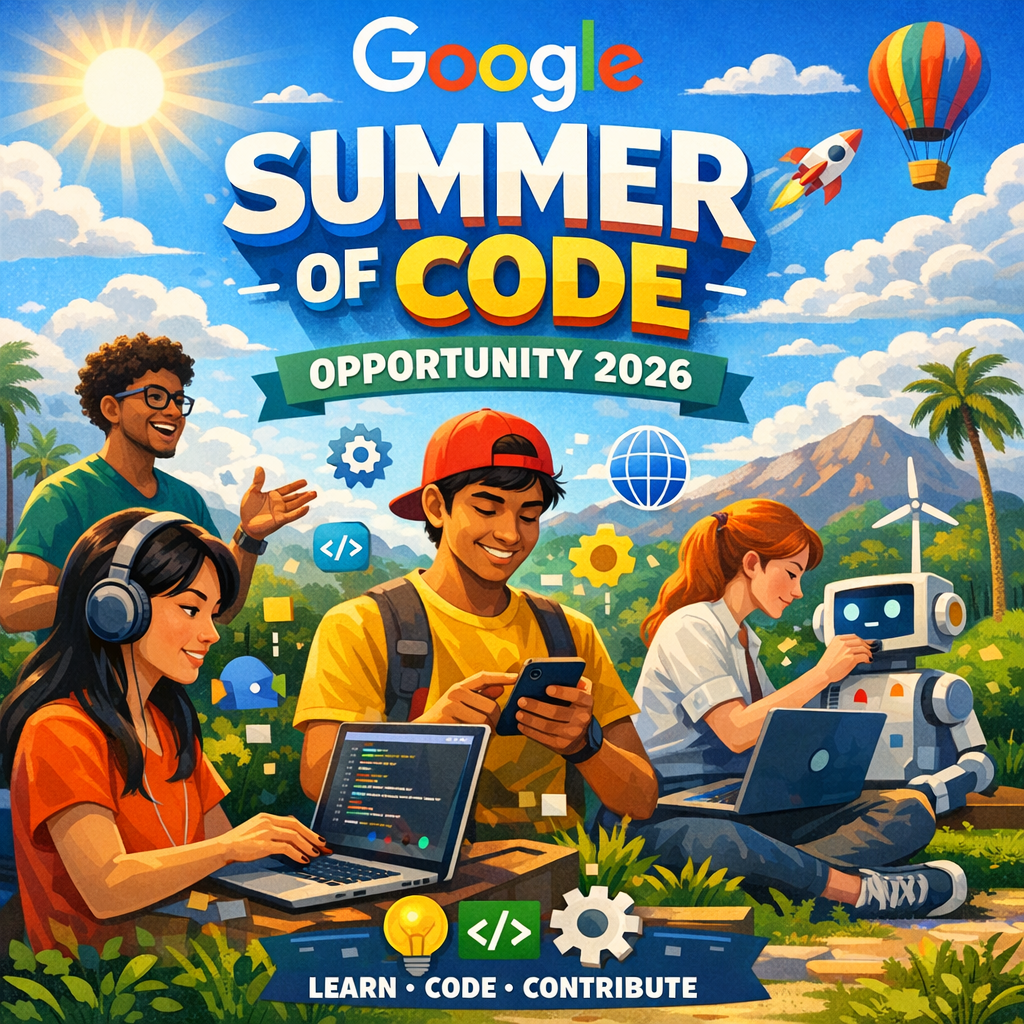
Everything You Need to Know About Google Summer Code 2026 Eligibility
Details
Google Summer of Code (GSoC) is an annual program aimed at introducing university students to open source software development. With the 2026 edition on the horizon, many aspiring developers are eager to understand the eligibility criteria and application process. This article breaks down everything you need to know about the Google Summer Code 2026 eligibility requirements, helping you prepare to embark on this exciting journey into the world of open source.
Understanding Google Summer Code 2026 Eligibility Criteria
To participate in GSoC 2026, applicants must meet specific eligibility requirements set by the program. Primarily, candidates must be at least 18 years old and enrolled in a post-secondary academic institution. This means students from universities, colleges, and other accredited institutions are usually eligible. However, applicants should note that GSoC welcomes students from all around the globe, promoting diversity within tech communities.
In addition to the age and enrollment criteria, potential participants must not have participated in GSoC in the past three consecutive years. This rule is designed to give more new contributors an opportunity to engage with open source projects. Therefore, those who have previously been accepted into the program will need to sit out for a cycle before reapplying. This ensures that GSoC continually fosters fresh talent and innovative ideas.
Lastly, applicants must be able to commit to a full-time work schedule during the program, which typically spans 10 to 12 weeks. This includes being able to communicate effectively with mentors and contribute actively to their chosen open-source projects. Understanding these criteria is crucial for applicants to tailor their proposals effectively and maximize their chances of being selected.
Essential Information for Applicants: Official Links and More
For those eager to learn more about GSoC 2026, the official website serves as the primary resource hub. Here, you can find comprehensive information on eligibility, application timelines, and frequently asked questions. It’s essential for applicants to stay updated, as changes may occur regarding eligibility criteria or project availability. Bookmarking the official site is a smart move to ensure you don’t miss any announcements or important updates.
In addition to the official website, prospective participants should consider joining online communities and forums related to GSoC. These platforms can offer guidance, resources, and networking opportunities with previous participants and mentors. Engaging in these discussions can provide insights into crafting a compelling proposal, understanding project expectations, and even participating in pre-GSoC activities, such as coding sprints or workshops.
Lastly, leveraging social media channels can help applicants stay connected with the community and the organizations involved. Many open-source projects have their own social media pages where they share updates, tips, and mentorship opportunities. By following these channels, applicants can gain a deeper understanding of the project landscape and the skills they may need to develop before the application deadline.
In conclusion, preparing for Google Summer of Code 2026 requires a clear understanding of the eligibility criteria and an awareness of available resources. By ensuring you meet the requirements and actively engaging with the community, you can enhance your chances of success in this prestigious program. Remember to stay informed through official channels and utilize platforms that connect you with experienced participants. Best of luck on your journey into the world of open source development!
Specifications
| Type of Opportunity | Competitions and Awards Uncategorized |
|---|